
Who Owns Dracula’s Castle?
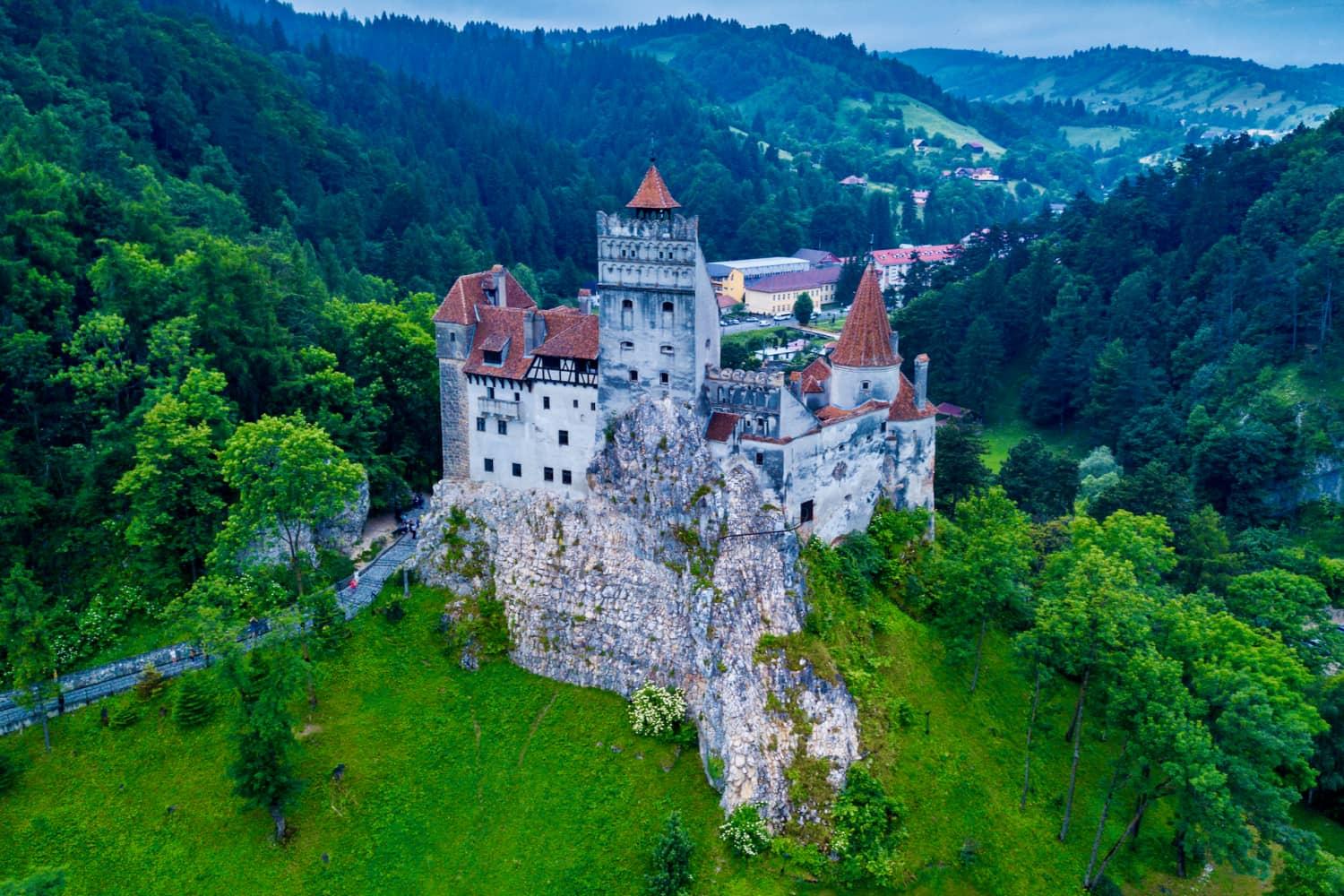 When you think of Dracula’s castle, you probably picture a mysterious fortress, dark hallways, and maybe a few bats.
Located in Transylvania, Romania, the castle dates back to the 14th century. According to its official history, construction was completed in 1388. But here’s something you might not expect: behind one of the world’s most recognizable castles is a real estate story involving ownership, inheritance, changing property rights, and even a modern business transaction.
And while most of us won’t be buying a castle in Transylvania anytime soon, the story offers a few reminders about real estate that hit surprisingly close to home.
A Castle with a Complicated Past
Bran Castle in Romania is widely known as “Dracula’s Castle,” thanks to its association with the famous fictional character. According to the castle’s official history, the property has served several purposes over the centuries, including a fortress, customs post, royal residence, and museum.
Its ownership history is just as interesting. Over time, the castle has been transferred, inherited, taken into government possession, and eventually returned to descendants of its former owners. That’s quite a property history! And it reminds us that: a property’s history can be much more complicated than its appearance suggests.
Wait … Was Dracula’s Castle Sold?
Here’s where the story gets especially interesting. In 2026, news emerged about an American investment group’s involvement with Bran Castle. However, according to reporting by Romania Insider and an announcement from GCG Capital, the transaction involved a majority interest in the company operating the castle, rather than a straightforward sale of the real estate itself.
In other words, a change in who operates a property doesn’t necessarily mean a change in who owns the property. An important note, whether we’re talking about a famous castle, a local commercial building, or a residential investment property.
What Does This Have to Do with Title and Escrow?
More than you might think! Most real estate transactions are considerably less dramatic than the history of Bran Castle. But they still involve important questions:
Who actually owns the property? Ownership isn’t always as simple as looking at the name on a listing. Property may be held by individuals, trusts, estates, or business entities.
Are there any recorded issues affecting the property? Easements, liens, restrictions, and other recorded matters may affect a property. That’s one reason reviewing the preliminary title commitment is such an important part of the transaction.
What exactly is being transferred? A sale of real property isn’t necessarily the same as a sale of a business that operates there. Understanding the nature of the transaction helps everyone know what documents, reviews, and professional guidance may be needed.
How does everyone get to a successful closing? That’s where communication among real estate brokers, lenders, title professionals, escrow teams, and other appropriate professionals becomes so valuable.
No Mystery Required!
Fortunately, buying or selling a home in Kitsap or Mason County doesn’t have to involve centuries of royal ownership or a Transylvanian fortress. But every property has a history, and understanding that history is part of what makes title work so important.
At Land Title Company, our title and escrow teams are here to help brokers, buyers, sellers, and lenders navigate the details of a real estate transaction. Because when it comes to property ownership, surprises are much more fun in a Halloween movie than at the closing table!
Have a title or escrow question? Give Land Title Company a call at 360-692-2233.
- Bran Castle – Official Website
- GCG Capital, NorthStar Corporate Finance Advised Bran Castle, February 17, 2026
- Romania Insider, American investor behind Elvis Presley estate reportedly takes majority stake in Romania’s Bran Castle operator, May 8, 2026